Working between Lagos and Abuja: a practical guide for consultants
Working between Lagos and Abuja can drain your money and energy. See how I plan trips, batch meetings, stay online, get paid and keep my laptop safe.
 Dan Audu
Jul 21, 2025
25 min read
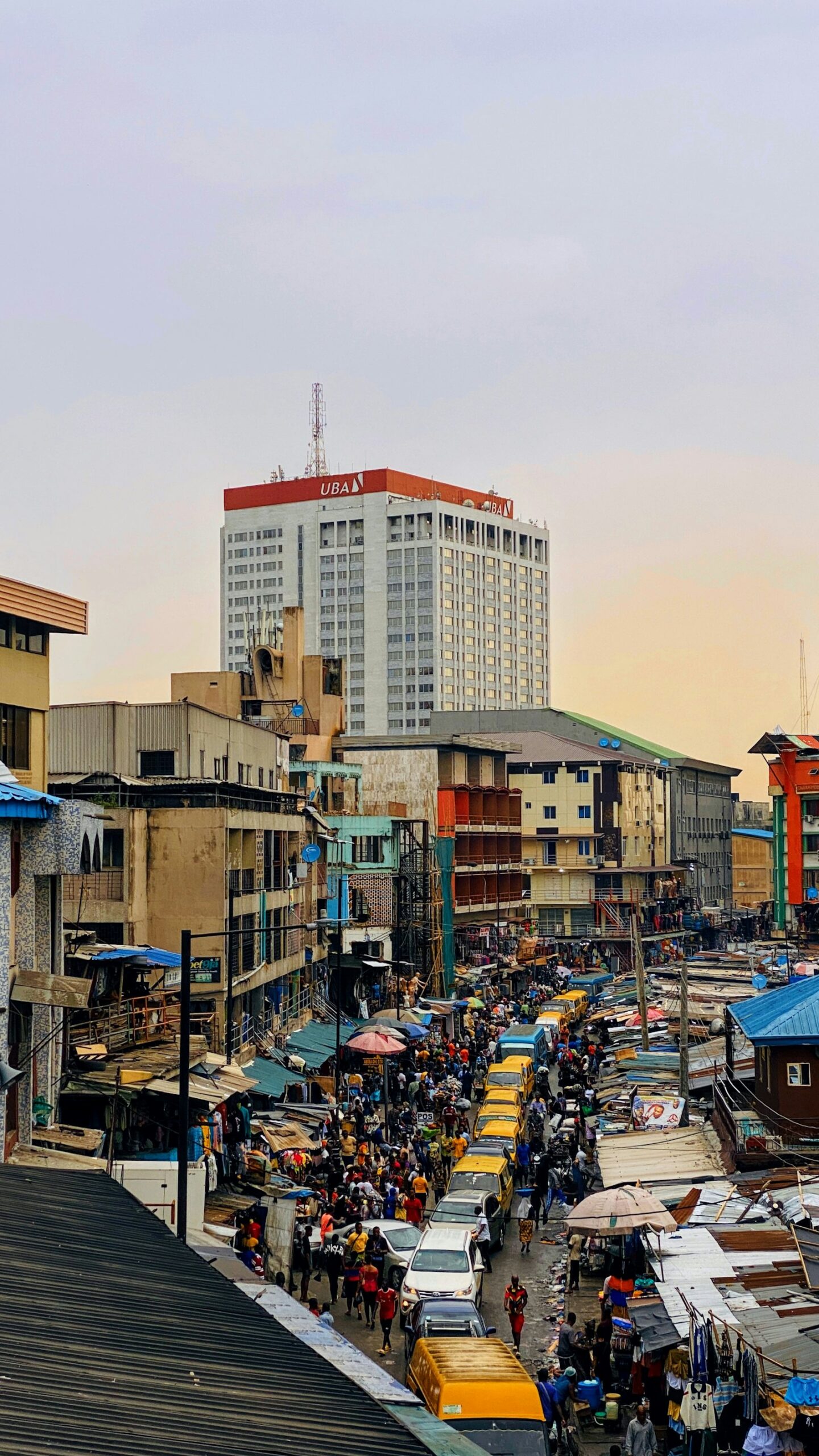
In this article14 sections
- Why working between Lagos and Abuja is a real business choice
- Working between Lagos and Abuja: when to fly and when to use video
- Getting between the cities: flights, road and airport days
- Where to stay and work in Lagos
- Staying online and powered when the network or NEPA fails
- Money on the road: fees, invoices, transfers and tax
- Winning and keeping clients in both cities
- Keeping your laptop, data and accounts safe when you travel
- Protecting your energy when you travel every week
- A sample two-week rhythm for working between Lagos and Abuja
- When it makes sense to open a small base in the second city
- Key takeaways
- Frequently asked questions
- Next step: set up your Lagos or Abuja base the right way
My phone buzzed at 5:40am on a Tuesday. A flight to Lagos at 7:30. A meeting in Ikeja at 11. Another in Victoria Island at 3pm. A flight back to Abuja at 8:15 that night. I remember thinking it was a perfect plan on the calendar. In real life, the Lagos rain arrived at 2pm, the road to the Island turned into a car park and I landed back in Abuja after midnight with a dead phone, a heavy bag and a proposal that was only half written. That was the day I learned that working between Lagos and Abuja is a skill, not just a flight booking.
If you are a consultant, an engineer, an auditor, a trainer or a freelancer with clients in both cities, you already know the pull. Lagos has the banks, the fintech companies, the media houses, the ports and the busiest markets. Abuja has the ministries, the agencies, the embassies, the donor programmes and a steady flow of procurement work. Many good professionals live in one city and earn from both. It can be very rewarding, but it can also drain your money, your energy and your reputation if you handle it badly.
I live and work in Abuja, and a good share of my clients are in Lagos, Port Harcourt, Kano and other cities. In this guide I share how I plan trips, choose between video and travel, pick where to stay and work, stay online during power cuts, manage travel costs and invoices, protect my laptop and data, and keep my energy up. You will find naira estimates (as at 2026, prices change), practical checklists and a sample two-week rhythm you can copy.
Why working between Lagos and Abuja is a real business choice
Let me start with why so many of us do this at all. It is not only ambition. Often it is the shape of the market. Different clients sit in different cities, and the work you want is not always where you live.
What each city gives your business
Lagos is the commercial engine. Most of the big banks, telecoms, logistics firms, retail chains, advertising agencies and startups are here or have a serious presence here. A consultant who sells systems, training or advice to private companies will find a lot of buyers in Lagos, from a family-owned distribution company in Apapa to a fintech team in Yaba.
Abuja is the policy and procurement centre. Federal ministries, regulators, development partners, NGOs and many international organisations are based here. Consultants who work with public institutions, donors or embassies often need to be in Abuja for meetings, submissions and relationship-building. Abuja is also a fast-growing market for private services because of its large population of civil servants, diplomats and professionals with money to spend.
If you can serve both, you spread your risk. When the private sector slows down, public projects may still move. When government payments are late, your Lagos clients may keep you afloat. That balance is the reason I keep both cities in my plan.
The cost of being in two places
Now the honest part. Two cities means two sets of costs: flights, hotels, transport, data, meals and your time. It also means two sets of expectations. A Lagos client may ask you to be on site next Monday. An Abuja client may need you at a workshop on Tuesday. If you say yes to everything, you will spend more time in transit than in billable work. So the goal is not to be everywhere. The goal is to be in the right place at the right time and to earn more than the trip costs.
The table below is a simple comparison I use when I plan a quarter. It reflects my own experience and it changes from one industry to another, so take it as a starting point, not a law.
| Factor | Lagos | Abuja |
|---|---|---|
| Typical clients | Private companies, banks, fintech, retail, media, logistics, schools, hospitality | Government agencies, NGOs, donors, embassies, professional firms, growing private services |
| Traffic pattern | Heavy and unpredictable. Crossing between the Island and the Mainland can take hours | Lighter, but distances are long and rush hour on the main roads can still slow you down |
| Where meetings happen | Ikeja, Victoria Island, Ikoyi, Lekki, Yaba, Surulere | Central Business District, Maitama, Wuse 2, Garki, Jabi, Gwarinpa |
| Pace of the day | Fast, with many short meetings and last-minute changes | Slightly slower to start, with more formal scheduling in many offices |
| Cost of a stay | Often higher on the Island and in Lekki | Often high in Maitama and Asokoro, more modest in Garki and Wuse |
| Best way to move around | Book rides in advance, plan by area and avoid crossing the city at peak hours | Use ride-hailing or a trusted driver, allow time for long distances |
| Weather effects | Rain can flood roads and delay meetings | Rain and Harmattan haze can affect flights and visibility |
Why this matters in Nigeria
Consultants in other countries can hop on a fast train, count on steady power and take reliable hotel Wi-Fi for granted. Here, none of that is guaranteed. There is no rail line that links the two cities, flights can be delayed by weather or operations, fares move with fuel and the dollar, and power and network can drop at any time. Add security concerns on the road and unpredictable traffic, and you can see why a plan for working between two Nigerian cities needs more care than the same idea elsewhere. Good planning is the difference between a profitable trip and a tiring loss.
Working between Lagos and Abuja: when to fly and when to use video
The most valuable skill in working between two cities is deciding when a trip is actually needed. Every unnecessary flight costs money and a full day. Every missed necessary trip can cost you a client. Here are the rules I follow.
The first meeting in person rule
For a new client, especially a big one, I like to meet in person at least once. Trust in Nigeria is often built face to face. A client who has shaken your hand and seen your laptop, your notes and your calm manner will find it easier to sign a contract and to forgive a delay later. If the deal is small and simple, a video call plus a reference is fine. For larger deals with real money and long timelines, I make the trip.
What I do by video
After the first meeting, most of the work can go online. Weekly progress calls, demos, workshops with small groups, contract review and training sessions can all be run on Google Meet, Zoom or WhatsApp video. I keep these calls short and prepared, with an agenda sent the day before. Video calls fail in Nigeria when the network drops, so I always share the key points on WhatsApp or email straight after, in case someone missed part of the call.
Batch your meetings into one trip
This is where the money is. Imagine Amaka, an audit consultant in Abuja, with six client visits in Lagos over a quarter. If she flies for one meeting each time, she pays for six return flights, six sets of airport transfers and six lost days. If she batches them into one three-day trip, she pays for one flight, three nights in a hotel and one set of planning. Look at the rough numbers below. As at 2026, prices change, so use your own quotes, but the pattern holds.
| Cost item | Six single-day trips | One batched three-day trip |
|---|---|---|
| Return flights | 6 x ₦220,000 = ₦1,320,000 | 1 x ₦220,000 = ₦220,000 |
| Hotel | None | 3 nights x ₦90,000 = ₦270,000 |
| Local transport | 6 x ₦45,000 = ₦270,000 | ₦90,000 |
| Meals and data | 6 x ₦20,000 = ₦120,000 | ₦60,000 |
| Total | ₦1,710,000 | ₦640,000 |
| Days lost to travel | 6 full days | About 2 half days |
In this example she saves over ₦1 million and about four working days. She also arrives less tired, because she is not doing a 5am airport run six times. The trade-off is that clients must accept fixed visit windows. I usually tell them: “I will be in Lagos from Tuesday to Thursday next month, which slot suits you?” Most clients are happy to fit in, because you have given them a clear choice instead of a vague “whenever you are free”.
Batching also helps you plan pricing. If you charge for on-site work, your travel cost is shared across visits. I cover this in my article on pricing your work as a freelancer. The main lesson: do not hide travel cost inside a low fee and then feel unhappy about it later.
A simple decision test
When a Lagos client asks me to come down, I ask four questions. Is this a first meeting or a large decision? Will someone need to see hardware, a site or a physical process? Can this be batched with another visit in the next few weeks? Will the fee cover the travel and my time? If the answer to the first two is no, I offer a video call. If the answer to the last question is no, I either adjust the fee or decline politely. This is how a healthy practice works: you protect your time.
Getting between the cities: flights, road and airport days
The two cities are about a one-hour flight apart, but a trip is never one hour. It is a chain: the ride to the airport, check-in, security, boarding, the flight, waiting for your bag, the ride into the city and then the traffic. Any link in that chain can break. Planning for that is what keeps you calm.

Your travel options compared
| Option | Typical time | Rough cost, one way (as at 2026, prices change) | Watch out for |
|---|---|---|---|
| Direct flight | About 1 hour 10 minutes in the air; 5 to 6 hours door to door | ₦90,000 to ₦250,000, higher in peak periods | Delays, cancellations, late baggage, December and holiday price jumps |
| Luxury coach | 10 to 14 hours or more | Lower than a flight; ask the operator for the current fare | Long hours, road conditions, security. Not suitable for a quick business trip |
| Private car with a driver | 10 to 14 hours or more | Fuel, driver, meals and possible overnight stop | Tiredness, security, weather, repair risks |
| Rail | Not a direct option for this route as far as I know | Not applicable | Existing lines such as Abuja to Kaduna or Lagos to Ibadan do not connect the two cities |
For business, I fly. It is the only option that keeps a trip to one or two days. I do not recommend the road for a short work trip because of the time it eats and the security situation on some routes. If you must go by road, travel in daylight, use a reputable operator or a driver you trust and check current advice before you leave.
My airport day rules
- Book early flights when you can. Delays tend to stack up through the day. A 7am flight has more chance of leaving on time than an 8pm flight.
- Carry hand luggage only for short trips. Checked bags can arrive late, and a late bag can ruin a two-day trip. Put your laptop, charger, power bank, ID and documents in your carry-on. Power banks and spare lithium batteries are not allowed in checked baggage on most airlines.
- Arrive early. Ninety minutes to two hours before departure is a sensible buffer for domestic flights. Airlines set their own rules, so check yours.
- Keep the booking offline. Screenshot your ticket and keep a copy where you can open it without data.
- Arrange the ride in advance. Book your airport pick-up before you land, and agree the price or use a trusted ride-hailing app. Carry a little cash for small costs.
- Know your rights. Read the airline policy on delays, rebooking and refunds. Keep receipts and boarding passes.
- Have a Plan B. If an important meeting is at 2pm, do not take the last flight the night before. Take an earlier one and keep a second flight in mind.
Weather plays a part too. Heavy rain from around April to October can slow airport roads and flights in both cities, and the dusty haze of the Harmattan around December to February can cause flight delays. If a meeting is vital in those months, arrive the day before.
Where to stay and work in Lagos
Lagos is big. Where you sleep decides how much of your day you spend in traffic. I have seen consultants save money on a cheap hotel in one part of town and then lose two hours on every meeting to cross the city.

Choose your base by your meetings, not by the price
Look at your calendar before you look at hotels. Where will most of your meetings be? Ikeja is common for government offices, corporate headquarters and the airport. Victoria Island and Ikoyi hold many banks and large companies. Lekki and Ajah have a growing mix of startups, shortlets and offices. Yaba is a well-known cluster of tech companies and schools. Once you know the main area, stay in or near it.
Two rules save me hours. First, never book meetings in two different parts of Lagos within about three hours of each other, especially if you have to cross between the Island and the Mainland. Second, book your first meeting of the day for the area where you sleep, so that morning traffic does not decide your day.
Hotels and shortlets: what I ask before I pay
As at 2026, prices change, but a decent mid-range hotel or shortlet in Lagos often costs somewhere between ₦60,000 and ₦150,000 a night, with the Island and Lekki generally on the higher side and the Mainland a bit lower. Before I book, I ask these questions:
- Is there power all day and night, from a generator or inverter, or only at fixed hours?
- Can you send me a screenshot of the Wi-Fi speed, or a recent guest confirmation of it working?
- Is there a proper desk and chair in the room, or only a bed?
- Is the room quiet, and is the generator far from it?
- Is there secure parking or a secure gate, and can they arrange the airport pick-up?
A warning on shortlets found on social media: fraud exists. Check reviews, ask for a video of the actual apartment, pay through a traceable method and be careful of anyone who pushes you to send money quickly to a personal account.
Places to work between meetings
The gap between two meetings is where good travellers earn back their day. I use hotel lobbies, cafés with strong Wi-Fi and coworking spaces that sell day passes. I look for three things: power sockets, a quiet corner and a network that does not drop. I buy a drink, ask about the Wi-Fi and sit where I can see my bag. In Abuja I use a similar approach, and I list ideas in my article on Abuja coworking spaces and cafés.

Staying online and powered when the network or NEPA fails
A consultant who cannot open a proposal or join a call is not credible. In Nigeria you cannot leave power and internet to luck. I treat both like insurance.

Two networks and a hotspot
I carry SIM cards from at least two networks, for example MTN and Airtel. In some places one is strong and the other is weak, and it changes from one street to the next. I keep a healthy data bundle on the one I use for hotspot, because hotel Wi-Fi will fail at the worst moment. As at 2026, a monthly data plan that is big enough for real work often costs about ₦10,000 to ₦30,000 depending on the network and size, so check current bundles. I also keep a small amount of airtime for voice calls, since some clients call instead of using WhatsApp. If you want more detail on how the networks compare, read my piece on MTN, Airtel and the future of connectivity.
Power: bank, charger and surge protection
- Power bank. Choose one big enough for a full phone charge at least three times, and check that it supports fast charging. A model that can also top up a laptop through USB-C costs more, but it can save a presentation. Expect roughly ₦30,000 to ₦90,000 as at 2026, depending on size and brand.
- A compact fast charger. One 65W charger can power a laptop, a phone and other devices, so you carry one brick instead of three.
- A small surge-protected extension. Hotel and café sockets are shared and shaky. A surge-protected extension helps protect your devices from spikes and gives you extra sockets.
- Charge everything the night before and again during any long wait. Airports and offices with sockets are gold.
Power quality is a real risk to laptops. A sudden surge when the generator switches on can damage a charger or worse. I go into this in detail in my laptop buying guide for business.
Work offline first
Before any trip, I download the files I need. I open the presentation and the client documents on my laptop, not only through a link. I keep my ID, my company documents and the invoice templates on my phone in an offline folder. I also save the client’s address, contact number and the booking details as a screenshot. If the network dies when I am at the airport gate or in a lift, I still have what I need. Cloud tools such as Google Drive and OneDrive are great for syncing, but always keep the important file available offline.
Money on the road: fees, invoices, transfers and tax
Travel can quietly eat your profit. A ₦500,000 fee can become ₦150,000 after flights, hotel and transport, and that is before tax. So I treat money on the road as a system, not an afterthought.
Put travel cost in the proposal
There are three common ways to handle travel costs. You can bill them as a separate line at cost (flight, hotel and transport, with receipts). You can charge a fixed travel fee per visit. Or you can include travel inside a bigger project fee. I prefer the first two for clients I do not yet know, because they are clear. Bundling works for long-term clients when both sides are comfortable. Whatever you choose, write it down before you book anything. A single line such as “Travel and accommodation for on-site visits are billed at cost with receipts, approved in advance” avoids many arguments later.
Get paid before you fly
For on-site work, I ask for a deposit before I book the trip. Many consultants use a range like forty to sixty percent upfront, then the balance on delivery. Send a clear invoice with your account details and the payment deadline. And remember: do not trust a screenshot of a transfer. Fake transfer alerts and fake banking apps are a real problem in Nigeria. Check the money in your own bank app or with your bank alert before you hand over work or board a plane on the strength of someone’s “payment sent” image.
Cash, cards and transfers while travelling
Do not depend on one bank app. Apps go down, networks fail and card limits get in the way. I keep at least two accounts, for example a traditional bank and an app such as Moniepoint or Opay, and I know the USSD code for my main bank as a backup. I check my daily transfer and card limits before I travel. I carry small cash for tips and small taxi payments, and I avoid carrying large sums. PoS agents are everywhere in both cities, but their charges can be high, so I check the fee before I confirm a withdrawal.
Receipts, records and tax
Keep every receipt, or take a photo of it right away. At the end of each trip, I spend ten minutes writing a small expense log: flight, hotel, transport, meals, data, other. This is good business practice and it makes invoicing easy. When it comes to taxes such as VAT, withholding tax and any state or federal requirements for your kind of work, do not guess. Ask a qualified accountant or the relevant tax authority. Rules change, and the right treatment depends on whether you operate as an individual or a registered company.
Winning and keeping clients in both cities
Being in two cities is only useful if both cities know you exist. Many consultants make the mistake of being a “secret” in the city where they do not live.
Look local in both cities
Your website, LinkedIn profile and company profile should make it clear that you serve clients in Lagos and Abuja. Show case studies from both places. Put a working WhatsApp number on the page, because that is how many clients prefer to reach a consultant. Show your work on a projects page so that a stranger can judge quickly. If you need help making your business easier to find online, my get more customers online service covers the basics, and you can see the kind of work I do on my projects page.
Build a small circle of local partners
You cannot be everywhere. In the city where you do not live, it helps to have a few trusted people: an associate who can meet a client if you are delayed, a technician who can do a site visit, a driver you trust, an accountant who understands local rules, and a friendly contact at a coworking space or hotel. Pay them fairly and on time, put agreements in writing and never promise a client that a partner will do something without checking first. In my own work, a reliable person on the ground has saved me trips many times.
Be reliable in the small things
Clients judge you by how you handle small things. Confirm every meeting the day before by WhatsApp. Arrive early, because traffic is unpredictable. If you will be late, say so as soon as you know. After each meeting, send a short summary the same day with the next steps. These habits matter even more when you visit only once a month, because the client cannot see your effort in between. Your follow-up is your presence.
Keeping your laptop, data and accounts safe when you travel
When you move between cities, your laptop and phone travel through airports, taxis, hotel lobbies and cafés. That is where devices get lost, stolen or attacked. Your data is often worth more than the device.
Lock down the devices
- Encrypt the laptop. Turn on disk encryption (BitLocker on Windows, FileVault on Mac). It means a thief cannot read your files just by removing the drive.
- Use strong passwords and screen locks on the laptop and the phone.
- Prefer an authenticator app to SMS codes for important accounts. SIM swap fraud, where criminals take over your number, is a known risk in Nigeria.
- Turn on device tracking, such as Find My on Apple devices or Find My Device on Android and Windows.
Back up before every trip
I follow a simple rule: before I travel, my important files exist in at least two places apart from the laptop, one of them in the cloud. If the laptop disappears, I can carry on from another machine within hours. I explain the full method in my article on data backup for small business. Do not wait until you lose a device to learn how important this is.
Public places and public Wi-Fi
Avoid banking or entering sensitive passwords on open Wi-Fi in an airport, café or hotel. Use your phone hotspot for anything important. Keep your laptop in your carry-on, not in checked baggage. Do not leave it in a parked car, even for a few minutes. Charge it where you can see it. Cover the screen if someone is looking over your shoulder. In a ride-hailing car, keep your bag on your lap or beside you, not in the boot.
A story worth remembering. Bola, a training consultant based in Abuja, left her laptop bag in a taxi after a long day of meetings in Lagos. She did not panic. The laptop’s disk was encrypted, her files were synced to the cloud each night and she used a second laptop from her hotel that evening to open the slides for the next morning’s session. She reported the loss, changed her passwords and carried on. The device was replaced within the month. Lesson: assume you will lose a device one day, and set things up so that it is an inconvenience, not a disaster.
Protecting your energy when you travel every week
The hidden cost of working between two cities is not money. It is energy. A consultant who lands at midnight, sleeps four hours and walks into a 9am pitch is not at their best, however good the slides are. Since my early trips, I have learned to plan energy the way I plan cash.
Treat travel days as half work days
Do not book a full day of meetings on the day you fly. Flights get delayed, bags get lost and traffic surprises you. On travel days I schedule light work only: emails, reading, a call I can take from the gate. My best meetings happen on the middle day of a trip, when I have slept properly and know the city’s traffic mood.
Simple habits on the road
- Drink water, especially in airports and in air-conditioned rooms. Carry a refillable bottle.
- Walk when you wait. At the airport, stroll instead of sitting at the gate for an hour. It helps after a long seat time. I share more of these ideas in my article on health habits for people who sit at a desk all day.
- Eat before the important meeting, not after it. A light meal beats an empty stomach and a heavy lunch alike.
- Protect your sleep. Put the phone away, pick a quiet room and do not check email in bed.
- Keep the schedule breathable. Leave a buffer of at least an hour between meetings in different areas.
These are general wellbeing habits, not medical advice. If you have a health condition or feel unwell, please follow your doctor’s guidance and take care before you travel.
Learn to say no to a bad schedule
A client who says “can you be in Lagos tomorrow?” is not always your emergency. If you can, offer a better day or a video call. Saying no politely protects you from exhaustion and from making mistakes. I say something like: “I can do Thursday morning in Lagos, or a video call tomorrow. Which works better?” Most people accept, and they respect you more.
A sample two-week rhythm for working between Lagos and Abuja
Here is a rhythm I use. It gives me deep work time at home in Abuja and a focused block of client time in Lagos. You can adjust it to your industry and to the season.
| Day | Where | Focus | Notes |
|---|---|---|---|
| Week 1, Monday | Abuja | Planning, proposals, admin | Confirm Lagos meetings and book the flight |
| Week 1, Tuesday | Abuja | Deep work, delivery | No meetings if possible |
| Week 1, Wednesday | Abuja | Client calls and video demos | Prepare travel bag and chargers |
| Week 1, Thursday | Abuja | Local meetings | Send agenda for next week’s Lagos visits |
| Week 1, Friday | Abuja | Follow-up, invoices, rest early | Backup all important files |
| Week 2, Monday | Abuja | Light work, morning flight prep | Fly late morning or afternoon |
| Week 2, Tuesday | Lagos (Mainland) | Meetings in Ikeja and Yaba | One area per half day |
| Week 2, Wednesday | Lagos (Island) | Meetings in Victoria Island, Ikoyi and Lekki | Work from a café between calls |
| Week 2, Thursday | Lagos then Abuja | Morning meeting, afternoon flight | Send summaries from the airport |
| Week 2, Friday | Abuja | Recovery, follow-up, planning | Log expenses and send invoices |
Notice the shape: a heavy Lagos block once in a while, with calm days on either side. If your work needs more frequent visits, adjust the rhythm, but keep the principle of grouping trips and leaving space to recover.
When it makes sense to open a small base in the second city
At some point you will ask whether to stop flying and open a small base in Lagos or Abuja. The right moment depends on your numbers, not your ego. A base has costs, and you should be sure that you can pay them.
Signs that a base is worth it
- You travel to the same city every month, and the yearly cost of trips is close to what a small base would cost.
- A steady share of your income, say a third or more, comes from that city.
- Clients ask for on-site work or regular in-person support that video cannot replace.
- You have a reliable person who could run the base or represent you there.
- You are tired of hotel Wi-Fi and want a stable place with power and a proper network.
Options from small to big
You do not have to jump straight to a full office. The table shows a ladder. The prices are rough and vary widely by area, so ask for quotes. As at 2026, prices change.
| Option | Rough monthly cost | Good for | Watch out for |
|---|---|---|---|
| Virtual office address | ₦15,000 to ₦60,000 | A local business address and mail handling | It is not a place to work or meet |
| Coworking hot desk | ₦40,000 to ₦120,000 | Regular visits with a quiet place to work | Availability and noise, especially at peak times |
| Dedicated desk or small private room | ₦80,000 to ₦300,000 | Two to three days a week in the city | Long contracts, extra charges for power and internet |
| Small rented office | ₦250,000 to ₦800,000 or more | A local team and regular client meetings | Rent paid a year or more in advance is common in Nigeria, plus power and internet costs |
If you take a small office, set up the essentials properly from day one: a reliable internet connection with a backup, a good router and cabling, CCTV, power protection and a simple laptop and printer plan. Poor setup wastes months. I handle this kind of work for clients, and you can read more in my IT maintenance plan for offices article.
Key takeaways
- Meet new and large clients in person once, then move most follow-ups to video calls.
- Batch your meetings into one trip. In my example, one three-day trip cost about ₦640,000 against ₦1,710,000 for six single-day trips.
- Choose your Lagos base by where your meetings are, and avoid meetings in two areas within three hours.
- Fly for business, book early flights, travel with hand luggage and keep a Plan B.
- Carry two networks, a power bank and a surge-protected extension, and download key files before you leave.
- Put travel costs in the proposal, take a deposit and check payments in your own bank app.
- Encrypt your laptop, back up before every trip and avoid open Wi-Fi for sensitive tasks.
- Treat travel days as half work days and protect your sleep and water.
- Open a small base only when the numbers and the workload clearly support it.
Frequently asked questions
How long does it take to fly from Lagos to Abuja?
The flight itself takes about one hour and ten minutes. From leaving your home or hotel to reaching your meeting, plan for five to six hours, because of airport travel, check-in, security, baggage and city traffic at both ends.
How much does a flight from Lagos to Abuja cost in 2026?
As at 2026, a one-way economy ticket usually costs somewhere between ₦90,000 and ₦250,000 depending on the airline, the time of day and how early you book. Prices rise around December and other holiday periods. Check current fares before you plan, because prices change.
Is it better to live in Lagos or Abuja as a consultant?
It depends on your clients. Lagos is stronger for private-sector work such as banks, fintech, retail and media, while Abuja suits consultants who work with government agencies, NGOs and donors. Many professionals live in one city and travel to the other in planned trips.
Should I fly or drive between Lagos and Abuja for business?
For most business trips, flying is the better choice because the road journey takes ten hours or more and carries extra risks. If you have to travel by road, go in daylight, use a reputable operator or a trusted driver and check current advice before you leave.
How can I stay online while travelling between Nigerian cities?
Carry SIM cards from at least two networks, keep a data bundle for hotspot use and download important files before you go. A power bank and a small surge-protected extension also help. Never rely on a single connection or hotel Wi-Fi for an important call.
How do I keep my laptop and data safe when I travel?
Turn on disk encryption, use strong passwords and an authenticator app, and back up your files to the cloud before each trip. Keep the laptop in your carry-on and avoid banking on open Wi-Fi. Turn on Find My or a similar tracking feature so you can locate or lock a lost device.
When should I open an office in a second city?
Consider it when you travel to the same city every month, a large share of your income comes from there and clients need regular in-person support. Start small with a coworking desk or a virtual office before you commit to renting a full office.
Next step: set up your Lagos or Abuja base the right way
If you are planning to open a small office in either city, or if your travelling team needs a reliable network, secure devices and a simple IT plan, I can help. See my new office IT setup service to learn how I plan networks, power, security and equipment, then book a free consultation. You can also message me on WhatsApp from the site. Tell me which two cities you work between, and I will suggest a setup that keeps you online, safe and productive.
BSc Economist and software engineer with 8 years of experience. CTO / Team Lead at Xoftpro Smart Systems and founder of DannieSoft.